Professional Headshot Photographer: Complete Guide
What a professional headshot photographer plans, what the session should include, and when one clear photo is already enough for a finished work portrait.
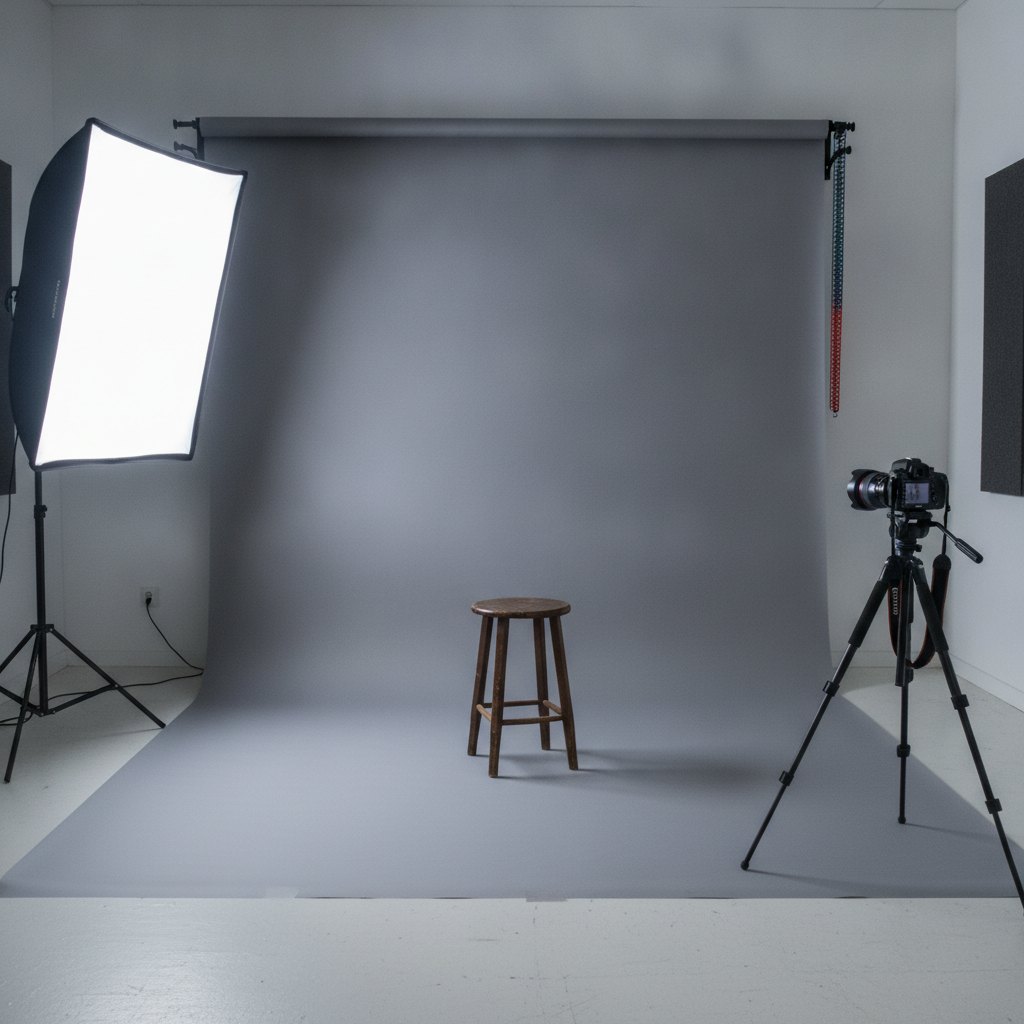
A professional headshot photographer makes a close portrait for work: a face that is clearly yours, lit so the eyes read on a small screen, and cropped so the picture still works as a profile photo, email signature, or speaker card. The job is identity first. A flattering blur that changes your face is a different product.
In short, hire a photographer when you need a person in the room, a team shot on one day, or a look your company already specifies. Use a photo you already have when you need a finished work portrait this week and the face in the source picture is clear.
Key facts
- A headshot is a face-first portrait, usually from the chest up, made to be recognized at thumbnail size.
- A dedicated session in a large US city is often quoted around $200 to $500 for one person. Team days are priced per person or as a half day. Confirm the quote, the number of finished files, and the usage rights before you book.
- Most people need one finished portrait, plus a second crop for a square profile. Extra expressions matter more than extra outfits.
- The useful delivery is a file you can place yourself: a color JPEG, sharp eyes, and a background that does not fight the face.
- WorkHeadshot makes a work portrait from one photo you already have. The first headshot is free. Studio is $29 once for 24 headshots, Weekly is $12 a week for 16, and Monthly is $29 a month for 80.
What does a professional headshot photographer do?
A professional headshot photographer controls three things a phone snapshot usually leaves to chance: the light on the face, the distance from the camera, and the crop. Light decides whether your eyes look open or sunk. Distance decides whether your nose and jaw look like they do in the room. Crop decides whether the picture survives a circle on a company page.
The session is short on purpose. A working photographer spends the first minutes on light and the rest on small changes: chin, shoulders, and an expression you would actually wear in a meeting. You should leave with portraits that look like you on a normal Tuesday, not a version of you that only exists under a beauty filter.
Good photographers also edit with a limit. Retouching can lift a stray hair or a harsh shadow. It should not rebuild your jaw, shrink your head, or replace your eyes. If a friend cannot tell it is you at a glance, the file has stopped being a headshot.
Ask who will be behind the camera. Some studios book a named photographer. Others rotate associates. Both can be fine. You want the person who will shoot you, and you want to see recent headshots from that person, not a reel of weddings and product photos mixed together.
How should you choose who to hire?
Choose on the portraits, then on the logistics. Open the photographer's recent work and look for people who resemble your job, your age range, and the setting you need. A dark studio suit is the wrong sample if your team wears open collars in a bright office. A outdoor realtor portrait is the wrong sample if you need a plain gray background for a conference badge.
Check four things in every sample:
- The eyes are sharp.
- The skin looks like skin, with texture still visible.
- The background is simple enough that the face wins.
- The person still looks like a specific person, not a stock model.
Then check the practical terms. A clear photographer lists the length of the session, how many finished images you receive, when the gallery arrives, and whether you can use the files on a company site, a book jacket, and a conference slide. "Personal use only" is a problem if the portrait will sit on a product page. Get the usage in the invoice.
Location matters less than light. A rented studio, a quiet corner of your office, or a shaded outdoor wall can all work. What fails is a ceiling light directly overhead, a busy cafe behind you, or a window that leaves one side of the face in deep shadow. If the photographer wants to shoot in your office, ask where you will stand and what they bring for light.
Reviews help when they mention the session, the delivery time, and whether the person felt directed. A five-star note that only says "great pics" does not tell you if you will be talked through a pose.
What should you ask before you book?
Send a short brief before you pay a deposit. The brief saves the session. Include your job, where the portrait will appear, any brand colors or background rules, and whether you need one person or a team. Attach a photo of yourself that you already like, so the photographer can see your hair, glasses, and the expression you want to keep.
Questions worth asking in writing:
- How long is the session, and is there time for a second outfit?
- How many retouched files are included, and what does an extra file cost?
- When will the gallery arrive?
- Can the company use the files on the website, in ads, and in print?
- What happens if the light or the room on the day is worse than the sample photos?
- Do you photograph glasses, and do you have a plan for glare?
If you wear glasses, say so. A photographer who plans for glasses will raise the light or shift the angle so the lenses stay clear. Finding out in the middle of the session wastes the first ten minutes.
If your company has a template, send it. Some teams want a gray background and a navy jacket. Some want a bright wall and a relaxed collar. A photographer can match a template. They cannot guess it from the word "professional."
What happens during the session?
Plan on 20 to 45 minutes for one person once the light is set. The photographer will place you, check the camera height, and shoot a short sequence. You will turn a few degrees, drop your shoulders, and repeat the expression that looked most like you. That repetition is the work. One lucky frame is less reliable than a run of frames where the eyes match.
Wear clothes you already wear to work. Solid colors beat small patterns. A neckline that sits cleanly beats a busy scarf that crops into your chin. Bring the glasses you wear in meetings. If you have a preferred side of your hair, mention it at the start.
A few practical notes:
- Arrive with your hair the way you want it photographed. A session is a poor time for a first attempt at a new cut.
- Matte skin photographs more evenly than a heavy shine on the forehead.
- Stand a little away from the background so you do not cast a hard shadow on it.
- Look at the lens, or at the point the photographer marks just beside it. Eyes aimed past the camera read as distraction on a profile.
You should see a few frames during the session. You are checking likeness, not shopping for a new face. If your smile looks tighter than it does in conversation, say so. A good photographer would rather reshoot than deliver a portrait you will never use.
How do you judge the finished files?
Judge the files at the size you will use. Open the portrait as a small circle, the way a profile photo appears, and as a larger image on a team page. If the eyes disappear when the picture is small, the light or the crop is wrong. If the large image looks waxy, the retouching went too far.
Use this comparison when you are choosing between a photographer and a portrait made from a photo you already have.
| Question | Photographer session | Portrait from one photo |
|---|---|---|
| Who controls the light? | The photographer, in the room | The edit, based on the source photo |
| How long until you have a file? | Often days after the session | Minutes, after you upload |
| Best reason to choose it | Team day, a specific location, or a live director | A clear photo already exists and you need a work crop |
| What can go wrong? | A pose or outfit you do not like, plus travel and scheduling | A source photo with a hidden face, heavy blur, or a group crop |
| What you should receive | Retouched files and a written usage right | A finished headshot you can download |
Reject a file when the face is a different shape, the eyes are soft, or the background pattern is louder than the person. Ask for a new edit or a reshoot when the contract allows it. Keeping a portrait you dislike is more expensive than the reshoot, because you will replace it later anyway.
When should you skip the booking?
Skip the booking when three things are already true. You have a recent photo with your face unobstructed. You need a standard work look, such as a plain studio background or a simple office wall. And you need the file before a photographer can schedule you.
That is the case WorkHeadshot is built for. You upload one photo. The face stays yours. The light, clothes, and background change to a work portrait. You can choose LinkedIn, corporate, studio, office, outdoor, or a client-ready look. The first headshot is free. After that, Studio is a one-time $29 for 24 headshots, Weekly is $12 a week for 16, and Monthly is $29 a month for 80.
A photographer is still the better booking when the portrait has to be made in a specific building, when several people must match on the same afternoon, or when a client contract requires an on-site photographer. Those are scheduling problems, and a session solves them. A missing headshot before a deadline is a file problem, and a clear source photo can solve that today.
If you want the longer checklist for the portrait itself, the professional headshot guide covers crop, expression, and where the file should live once you have it.
How do you brief a photographer for a whole team?
A team looks consistent when the brief is consistent. Pick one background, one crop, and one clothing range before the first person sits. Write it down. "Business casual, gray backdrop, chest-up, gentle smile" is a brief. "Make everyone look professional" is a wish.
Schedule people in a block so the light stays the same. A morning window and an afternoon window are different rooms. If someone is remote, give them the same brief and a reference portrait from the people you already shot. Matching is easier when the remote portrait uses the same background tone and the same amount of space above the hair.
Name one owner for the files. That person collects the finals, checks that every face is sharp, and replaces anyone who blinked or whose glasses glared. A shared folder with twenty almost-right portraits creates a team page that looks unfinished.
For a distributed team, a shared template plus a portrait from one photo is often faster than flying one photographer to five cities. Use the photographer where the group can gather. Use the same crop and background rules for everyone else.
Frequently Asked Questions
What is a professional headshot photographer?
A professional headshot photographer makes close portraits for work, with controlled light, a planned crop, and retouching that keeps the person recognizable. The result is a file for a profile, a team page, a talk, or a press note.
How much does a headshot photographer cost?
In a large US city a dedicated session for one person is often quoted around $200 to $500, with team days priced per person or as a half day. Ask what is included: time, number of finished files, turnaround, and where you may use the images. A portrait made from a photo you already have starts free at WorkHeadshot, then $29 once for 24 headshots, $12 a week for 16, or $29 a month for 80.
How long does a headshot session take?
Most one-person sessions run 20 to 45 minutes once the light is ready. A team day depends on how many people sit and whether each person changes clothes. Ask for the schedule in the quote so people are not waiting in a hallway.
What should you wear for a headshot with a photographer?
Wear clothes you already wear to work, in solid colors, with a neckline that does not crowd your chin. Bring the glasses you use in meetings. A new outfit you have never worn is a risk, because you will spend the session adjusting it.
Do you own the photos after the session?
You own the right to use them only if the invoice or contract says so. Ask for company website, advertising, and print use in writing before you book. A license limited to personal social posts will block a team page later.
Can one photo replace a photographer?
Yes, when the photo already shows your face clearly and you need a standard work portrait. WorkHeadshot keeps the face and changes the light, clothes, and background. Book a photographer when you need a specific place, a live director, or a whole group shot on one day.
Make your work headshot
If you are still choosing a photographer, use the questions above as the brief. If you already have a clear photo, you can make the portrait now.
Open the WorkHeadshot studio. The first headshot is free. Studio is $29 once for 24 headshots, Weekly is $12 a week for 16, and Monthly is $29 a month for 80. Pick the look that matches the page where the portrait will sit, and download the file when the face still looks like you.